


Dry Mouth and Cavities: What Prescott, AZ Residents Need to Know
Dry mouth may seem like a minor annoyance, but it can lead to major dental problems—especially cavities. If your mouth often feels dry, sticky, or uncomfortable, it’s time to take action. At Prescott Dental Arts, we help patients across Prescott, AZ understand how dry mouth affects oral health—and what you can do to treat it.
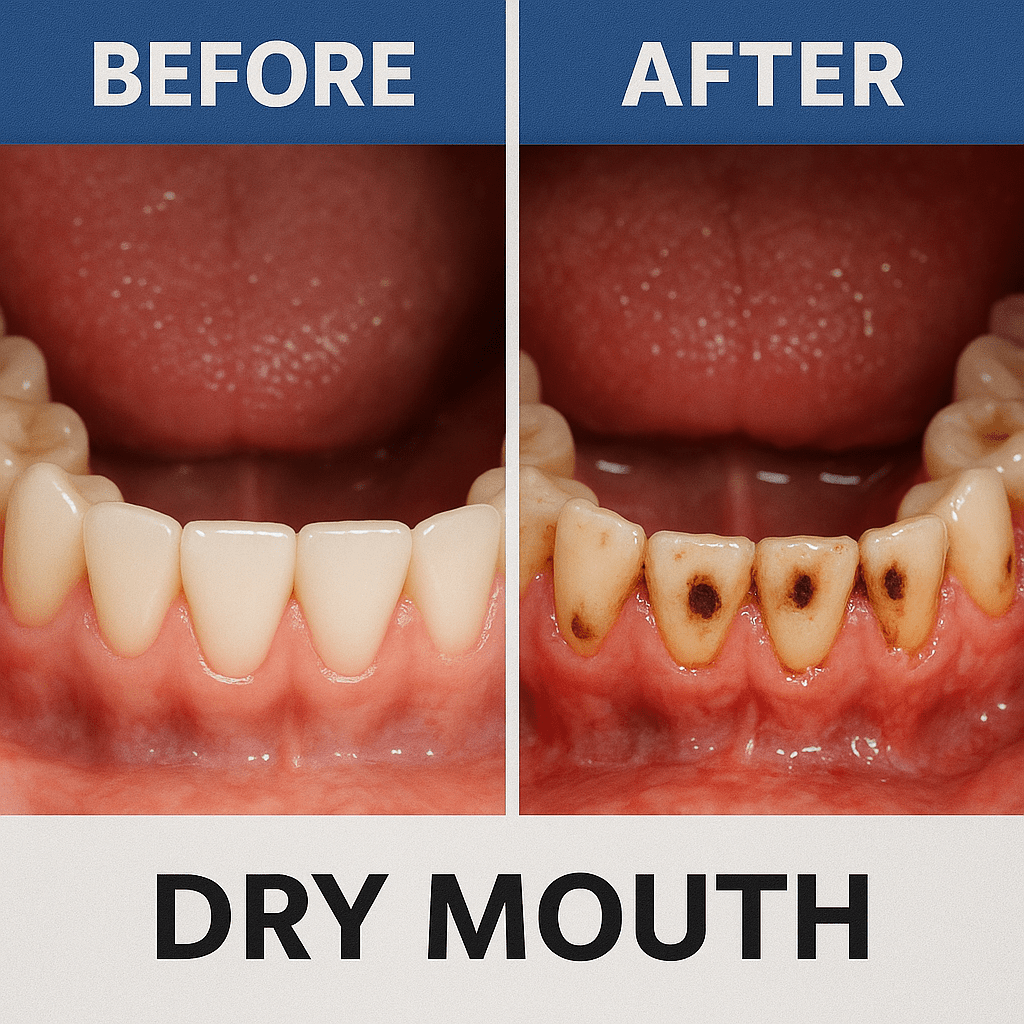
What Is Dry Mouth?
Also known as xerostomia, dry mouth occurs when your salivary glands don’t produce enough saliva. Dry mouth is a common condition affecting many people. This condition affects around 25% of older adults and can stem from medications, medical conditions, or lifestyle choices.
Saliva is crucial to maintaining a healthy mouth—it helps fight bacteria, wash away food debris, and protect your teeth. Certain medications are a frequent cause of dry mouth.
On average, the salivary glands produce about 0.5 to 1.5 liters of saliva per day; when how much saliva is produced drops below normal, symptoms of dry mouth can develop due to insufficient moisture for digestion, oral cleansing, and infection prevention.
Why Saliva and Salivary Glands Matter
Saliva is much more than moisture—saliva helps maintain oral health in several ways:
- Washes away food particles
- Neutralizes harmful acids
- Protects tooth enamel
- Prevents tooth decay and gum disease
- Supports healthy digestion and taste by helping to digest food
- Keeps dentures in place
- Makes speaking and swallowing easier
Saliva also keeps the mouth wet, which is essential for comfort and oral health.
When saliva is reduced, your risk of plaque buildup, gum inflammation, and cavities rises significantly.
Common Signs of Dry Mouth
Dry mouth symptoms can affect your daily life and oral health. If you experience any of these symptoms, dry mouth may be the cause:
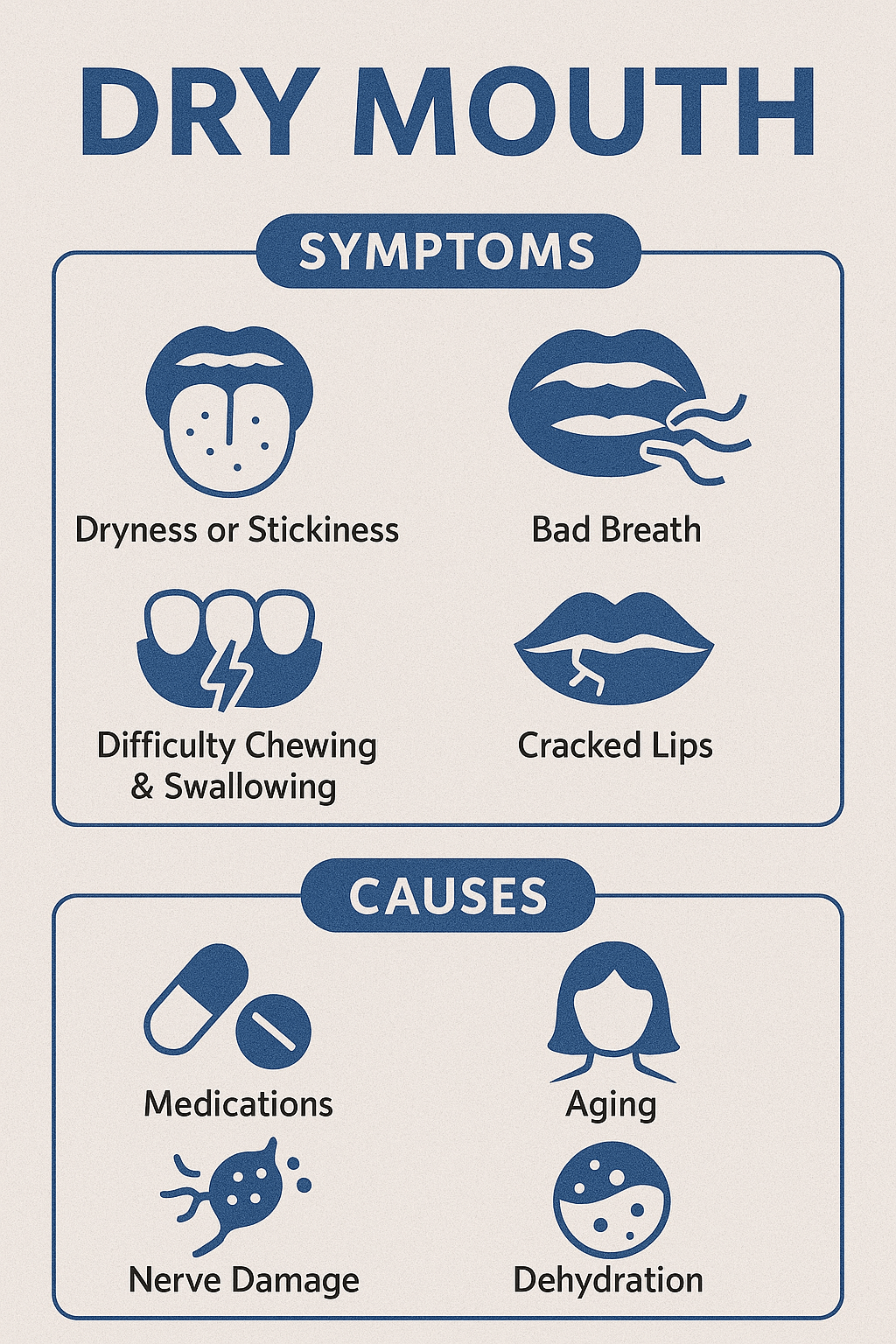
- Dry, sticky feeling in your mouth or throat
- Thick, ropey saliva
- Cracked lips or dry tongue
- Bad breath
- Difficulty chewing, swallowing, or speaking
- Trouble chewing
- Changes in taste
- Grooves or soreness in the tongue
- Mouth sores or oral thrush
These are common symptoms of dry mouth (also known as xerostomia) and recognizing the symptoms of dry mouth is important for diagnosis and treatment.
Without enough saliva, bacteria multiply, leading to faster plaque growth and tooth decay.
What Causes Dry Mouth?
Dry mouth can happen for a variety of reasons. Here are some of the most common causes we see at our Prescott office:
- Medications – Especially antidepressants, decongestants, antihistamines, painkillers, and blood pressure drugs
- Health conditions – Diabetes, Alzheimer’s, Parkinson’s, stroke, or autoimmune diseases like Sjogren’s syndrome
- Cancer treatments – Radiation and chemotherapy can damage salivary glands
- Dehydration – From illness, not drinking enough water, or excessive sweating
- Lifestyle habits – Smoking, drinking alcohol, or using recreational drugs
- Aging – Saliva production tends to decrease with age
- Mouth breathing – Often due to allergies or nasal congestion
Top Causes of Dry Mouth
One of the most common causes of dry mouth is medication. Dry mouth occurs when the salivary glands cannot produce saliva adequately. Over 400 medications list dry mouth as a side effect—including:
- Blood pressure meds (including those for high blood pressure)
- Antidepressants
- Antihistamines
- Decongestants
- Pain relievers
- Aging
- Diabetes or stroke
- Cancer treatments such as radiation therapy for head and neck cancer or neck cancer, which can damage saliva-producing glands and lead to permanent dry mouth
- Autoimmune diseases like Sjogren’s syndrome
- Nerve damage
- Dehydration or mouth breathing
- Tobacco and alcohol use
- HIV infection
- Alzheimer’s disease
Certain drugs used to treat various conditions can also lead to dry mouth.
How Dry Mouth Leads to Cavities
Without saliva to wash away food and neutralize acids, plaque stays on your teeth longer—giving bacteria more time to produce cavity-causing acids. This is especially problematic near the gum line and between teeth, where decay can start without noticeable symptoms.
Increasing saliva production or using products that stimulate saliva flow can help prevent cavities by keeping your mouth moist and reducing acid buildup.
Plus, dry mouth can make it harder to wear dentures or dental appliances, and it worsens oral hygiene by increasing bacterial growth.
Artificial saliva can also be used to maintain oral moisture and reduce the risk of cavities.
Protecting Your Teeth: Tips for Managing Dry Mouth
Dry mouth treatment often involves a combination of professional care and self-care strategies, and there are many effective dry mouth remedies available to help manage symptoms.
If you’re dealing with dry mouth in Prescott, here’s what our team recommends:
✅ Stay Hydrated
Drink plenty of water throughout the day to help keep your mouth moist.
✅ Avoid Drying Substances
Limit caffeine, alcohol, tobacco, and spicy or salty foods.
✅ Stimulate Saliva Production
- Chew sugar-free gum, chewing gum, or try chewing sugarless gum to help stimulate saliva flow
- Choose products with xylitol, which can increase saliva flow; sugarless gum is particularly effective for this
- Eat chewy fruits or fibrous veggies to encourage saliva
These strategies can help relieve dry mouth symptoms.
✅ Use Saliva Substitutes
Over-the-counter saliva substitutes and moisturizing mouth sprays can provide temporary relief.
✅ Supportive Products
Use alcohol-free mouthwash (like Biotene), fluoride toothpaste, and consider prescription fluoride toothpaste if you’re at high risk for cavities.
✅ Improve Your Environment
- Use a humidifier, especially at night
- Apply moisturizing lip balm for dry, cracked lips
- Avoid mouthwashes that contain alcohol
Meticulous Oral Hygiene Is a Must
If you have dry mouth, excellent oral care is non-negotiable. Here’s what to prioritize:
- Brush twice and floss once daily
- Use fluoride toothpaste and mouth rinse
- Schedule cleanings every 6 months (or more frequently)
- Get dental X-rays regularly to spot early signs of decay
- Remove dentures before bed and clean them thoroughly
The goal is to minimize plaque, reduce acid attacks, and prevent tooth decay before it starts.
When to See a Dentist in Prescott, AZ
You should visit Prescott Dental Arts if:
- Your dry mouth persists
- You’re seeing more cavities or gum problems
- You take medications that may cause dry mouth
- Your dentures feel loose or uncomfortable
- You’ve had recent radiation or chemotherapy
- You have difficulty swallowing capsules due to dry mouth
We’ll help identify the cause and recommend a personalized treatment plan to restore comfort and protect your smile.
Final Thoughts: Don’t Ignore Dry Mouth
Dry mouth is more than uncomfortable—it’s a real dental health risk. With proper care and the right tools, you can manage symptoms and prevent tooth decay.
If you’re struggling with dry mouth in Prescott, AZ, contact the friendly team at Prescott Dental Arts. We’re here to provide expert care, education, and relief—so your smile stays healthy and strong.
Call us at (928) 445-8980
Prescott Dental Arts
1787 Willow Creek Rd.
Prescott, AZ 86301
Request Your
Appointment Online
Non-insured, New patient coupon
$69 EXAM & FREE X-RAYS
Full X-ray fees apply for copies
1787 Willow Creek Rd
Prescott, AZ 86301
Implant Dentistry
Dental Implant Dentures
Dental Implant Bridges
Teeth in a Day
Dental Implant Crowns
Dental Implant Cost
Zirconia Dental Implants